Showing posts with label rudolf. Show all posts

STEFAN OLTEANU (1882-1954) ROMANIAN PHOTOGRAPHER OF INTERWAR OIL FIELD SCENES

Jeff Spencer 

675 Piney Creek Road 

Bellville, TX 77418 

spencerj320@gmail.com 


Marius Furcuta 

Moreni, Romania 

furcuta@hotmail.com 

ABSTRACT: Often referred to as the Golden Age of Romania’s oil industry, the interwar years (1919-1939) were a time of both rapidly increasing oil production and of international investment in the country’s petroleum industry. During these years, many photographers produced real photo postcards of scenes from Romanian oil fields, especially those near the towns of Moreni, Bustenari, and Campina in south-central Romania. Several of these photographers included their name on the postcards. Researching these visual documenters of an important period of Romania’s petroleum history is challenging. The noted Swiss geologist Arnold Heim (1882-1965) is included in a group of lesser-known photographers with names, such as Rudolf, Lehmann, Wehrli, and Carpenter. One of the more prolific oil field photographers was Stefan Olteanu. 

Stefan Olteanu (1882-1954) lived in Campina, Romania where he, and later his son, operated a photographic studio, circa 1907 into the 1940s. Early Olteanu real photo postcards are identified by “Foto Ideal” printed on the reverse. Later Olteanu postcards include on the picture side the words “Foto-Olteanu Campina” and later “St. Olteanu Campina.” Olteanu photographed the nearby oil fields and refineries and produced high-quality real photo postcards. Scenes included several oil field fires, including the No. 1 Sospiro Campina Draganeasa well (1923), the first major Romanian oil field disaster in the interwar years. Other Olteanu oil field fire views are the No. 305 Gura-Ocnitei (1926), No. 298 AR Moreni Pascov (1928), and the infamous “Torch of Moreni,” Romano-Americana Company’s No. 160 well (1929-1931). Many Olteanu postcards depict general panoramic views of oil fields, such as those along the Prahova River Valley near Campina, the Pascov Valley and Tuicani Plateau near Moreni, and the Runcu-Buștenari Oil Field

INTRODUCTION 

  The southern foothills of the Carpathian Mountains in south-central Romania are the historic center of the country’s petroleum industry (Fig. 1). The Prahova River flows between the Bucegi and the Baiului Mountains, within the Carpathian Mountains. Figure 2 is a portion of a 1925 oil field map (Guide du Congres et des Excursions 1925, map 5) of this area. In the southeast corner of the map is the city of Ploiesti, the county seat of Prahova County, located approximately 60 km (37 miles) northwest of the capital city of Bucharest. The Ploiesti area became one of the world’s leading centers for oil refining in the mid-19th century and the gateway to the prolific oil fields northwest in the Prahova River Valley. Key Prahova County towns and cities on the map, and approximate distances from Ploiesti, are Baicoi (20 km [12 miles] northwest), Tintea (20 km [12 miles] northwest), Campina (37 km [23 miles] northwest), and Bustenari (37 km [23 miles] northnorthwest). Moreni (35 km [22 miles] west) is in Dambovita County along the Cricov River. 

  Many early photographers, both residents and visitors to south-central Romania, helped to document the petroleum industry of the country. Some of these local professional photographers produced real photo postcards (RPPCs) of oil field scenes, oil industry housing, oil company facilities, and oil refineries. RPPCs of oil field fires were exceptionally popular, including several well fires in the Prahova Valley and the Tuicani Plateau. 


Romania in World War I 

  Romanian oil fields and refineries were desirable to the European armies. In the early years of the war, Romania stayed neutral. In August 1916 Romania signed a treaty with France, England, and Russia and declared war on the Austro-Hungarian Empire ten days later (Stoenescu 2018). To prevent the use of oil by the invading German army, in November 1916 the Romania government consented to the destruction of the Romanian petroleum refineries, production facilities, and oil wells in the Prahova Valley. The following month, British engineers under the command of Colonel Jack Norton-Griffiths, and with the help of Romanian soldiers and oil company employees, destroyed several refineries and over 800,000 tons (6 million barrels) of oil in just a few days. More than 1600 oil wells were taken out of production; at least a quarter of those were destroyed. “For probably the first time in the history of the oil industry an effort was made to wipe out completely the producing, transporting, refining, and storage facilities of a large and progressive oil country, so that the enemy could not profit by acquiring it” (Petroleum 1919, p. 184). The German army arrived just days later. By early 1917 the German army controlled much of the Romanian oil industry and had repaired much of the damage, but for the entire 1917-year, oil production was substantially less than the oil destroyed in those few days in December 1916. 

Romanian Oil Production in the Interwar Years 

  During the interwar years (1919-1939), Romania was an important exporter of grains, oil, and timber. It took several years for Romanian oil production to reach pre-war production levels. Oil production levels in the early 1920s were flat, with a steady rise beginning in 1925 through the mid-1930s. Prewar oil production rates were again reached in 1927 (Stoenescu 2018). Unfortunately, during the years of 1923-1926 when international oil prices were high, Romanian oil production was relatively low. By the time that Romanian oil production had fully recovered and significantly increased (1931-1936), international oil prices were low (Stoenescu 2018, p. 90). 

INTERWAR OIL FIELD PHOTOGRAPHERS 

Swiss Geologists – Heim and Wehrli 

  Two well-known Swiss geologists visited Romania during the interwar years and returned to Switzerland with many photographs of the Romanian oil fields. Arnold Heim (1882- 1965), son of the prominent Swiss geologist Albert Heim (1849-1937), visited Romania in the summer of 1926. Along with F. Escher, the two photographed several Romanian oilfields, near Tintea, Moreni, Bustenari, Ochiuri, and Campina. Many of their photographs are archived at the ETH Library, Zurich, Switzerland (http://library.ethz.ch/en/). 

  Leo Wehrli (1870-1954) was a Swiss geologist, teacher, and explorer. He was a student of, and later an assistant to, Albert Heim. He authored Albert’s biography in 1938. Leo visited Romania in the summers of 1935 and 1936 and photographed in the oilfields near Baicoi, Moreni, Ploiesti, and Campina. Many of his photographs and photographic glasslides are also archived at the ETH Library, Zurich, Switzerland (http://library.ethz.ch/en/). 

American Journalist and Photographer – Frank G. Carpenter 

  Noted American journalist, photographer, world traveler, and author Frank G. Carpenter (1855-1924) visited Romania in 1923. During his travels Carpenter also photographed in the Romanian oil fields. Many of his photographs are available online from the United States Library of Congress under the Carpenter Collection (https://www.loc.gov/pictures/collection/ffcarp/). In the May 27, 1924 edition of the Toledo Blade (p. 4), in an article headlined “Oil fields of Rumania. Queer Features of Oil Production,” Carpenter recounted his travels through the oil fields of Romania. 

Other Interwar Oil Field Photographers 

  Little is known of photographer Rudolf Grunblatt of Moreni. Many different oil field postcards bear “Foto Rudolf” or “Foto Rudolf Moreni” on the photograph side. There are several known Rudolf RPPCs of the infamous “Torch of Moreni” oil well fire (Spencer and Furcuta 2018; https://furcuta. blogspot.com/search/label/rudolf). His RPPCs appear to be limited to the Moreni area from approximately 1929-1935. H. Lehmann produced a night view RPPC of the “Torch of Moreni” that is dated “24. VII.1929” (July 24, 1929) (https://furcuta.blogspot.com/2015/10/160-ra-photographers.html?m=0). 

STEFAN OLTEANU (1882-1954) 

  Stefan Olteanu (1882-1954) opened his first photographic studio at No. 87 Carol 1 Street in the city of Campina in 1907. That year a Campina newspaper carried an advertisement for the “Modern photo studio Foto Olteanu” with its “new workshop” and “photographs of all kinds and sizes, industrial works, oil and pastel paintings, photographs on porcelain” (https://oglindadeazi.ro/stiri/campina-o-istorie-in-date-3/). A 1913 advertisement (Vitorul, p. 3) read, “Photo Ideal St. Olteanu. Modern photography studio BP Hajdeu Street, No. 17 Field. Artistically executes portraits, groups, views, reproductions, etc. Splendid postcards are made for three lei a dozen” (https://oglindadeazi.ro/stiri/campina-o-istorie-in-date-3/). 

  As with many photographic studios, Olteanu’s business relied heavily on wedding and portrait photography. Several examples of these are found online. During 1916-1918, the occupying Germans required Romanians to obtain a photo identification card. Olteanu obtained a “monopoly” on this lucrative photographic work for the residents of the Prahova Valley. Some gossip suggested that this was due to a local German commander being enamored by Olteanu’s beautiful wife (https://oglindadeazi.ro/stiri/file-de-cronica-nostalgiile-unui-vechi_23/). 

  In 1923, Olteanu had a large house built at No. 79 Carol 1 Boulevard with a photographic studio on the first floor and living accommodations on the upper floors (https://campinatv. ro/News/Article/aa8fcce5-47cb-484d-a5fa-4d9e70851d2c_ campina-romania-100-foto-olteanu-din-perioada-interbelica-un-atelier-de-tapiterie-din-anii-70-santierul-de-la-soldat-de-azi; https://furcuta.blogspot.com/search/label/olteanu). In the late 1930s, Stefan’s son, Gogu (?-2001), came into the business and operated the studio into the 1940s. Unfortunately, much of the Olteanu archival photographs were destroyed. Gogu stated in an interview, “Mr. Iosifescu, the Securitate took my entire archive, sir. I do not know where it is! They took it, threw it in a well, set it on fire” (http://revistanoua.3x. ro/revista_noua/puterea/Cuartetul-din-Campina.htm). The Securitate was the Communist secret police. 

  One of Olteanu’s oil field photographs was published in the German industry trade magazine, Petroleum Zeitschrift (1925). The photograph of a burning well near Moreni is the Pleasa Hill fire of the No. 1 RA (Romano-Americana) Moreni Nord well, accidentally ignited while drilling on July 25, 1925 (https://furcuta.blogspot.com/2021/03/well-1-ra-pleasa-onfire.html). At the time, this was the deepest well at Moreni (1146 meters [3760 feet]). Romano-Americana SA (Romanian-American Company), formed in 1904, was a subsidiary of the Standard Oil Company of New Jersey. Several attempts were made to extinguish this fire; success occurring on September 13 with the completion of a 70-meter-long (230 feet) tunnel to the casing which was then perforated to divert the oil flow. 

  The following year, another Olteanu burning well photograph was published in the French illustrated weekly newspaper, L’Illustration (July 3, 1926). This photograph is similar to Olteanu postcards (Fig. 3) of the Schela Mare Concordia well No. 305, CC SII Gura Ocnitei fire. Around midnight, June 15, 1926, while testing from a depth of 989 meters (3245 feet), the well was ignited by a lightning strike. Several unsuccessful attempts were made to extinguish the well fire. One attempt involved digging a 60-meter (197 feet) tunnel to reach the casing at a depth of 30 meters (98 feet). During a week of digging, the flames reached heights of 30-40 meters (98-131 feet). The flames also set off a fire in a nearby open pit, burning approximately 1000 tons (7200 barrels) of oil. The fire also destroyed the nearby No. 308 well. On the morning of June 22, the oil flow and the fire suddenly stopped. When the oil flow resumed, the oil was gathered and pumped to a nearby oil tank farm (https://furcuta.blogspot.com/search/label/concordia). Swiss geologist Albert Heim also photographed the No. 305 well fire.

OLTEANU REAL PHOTO POSTCARDS (RPPCS) 

  Real photo postcards (RPPCs) were very popular in the early twentieth century, and many Olteanu photographs were used to produce these postcards. Olteanu postcards of Campina buildings, bridges, and scenic views are known, but the vast majority of Olteanu RPPCs are of the surrounding oil fields. Over sixty different petroleum-related Olteanu postcards are known of by the authors; 27 of them are in co-author Spencer’s collection. Early Olteanu RPPCs (circa 1921-1923) have “Foto Ideal” with “St.” and either “IT” or possibly “LT” (difficult to read). “Olteanu Campina” is sometimes printed on the reverse. Later in 1923, the studio’s name was changed to “Foto-Olteanu,” and this is printed on the front lower right or left of the RPPCs until circa 1926. Occasionally, the “Foto-Olteanu” is printed on the reverse. Later in 1926 this is replaced by “St. Olteanu Campina” on the photograph side. Olteanu oil field postcards reached many countries. Within the Spencer collection are Olteanu postcards that were sent throughout Europe (Holland, Austria, Romania, England, France, Germany, and Italy), as well as to the United States. 

  A notable exception appears to be two Olteanu RPPCs of the August 1908 No. 13 SR (Steaua Romana) Campina Draganeasa oil well fire. Both postcards have the “Foto Olteanu Campina” on the lower right of the photograph side (https:// furcuta.blogspot.com/2024/06/the-fire-of-oil-well-no-13-sr-campina.html). If these are indeed scenes from 1908, they would be the earliest Olteanu oil field views, and a significant gap exists in known Olteanu oil field views between 1908 and 1923. 

1923 Olteanu Oil Field RPPCs 

  Most postcards do not provide the dates that the photographs were taken, but postmarks, when present, place a “no later than” date to the images. One of the earliest Olteanu oil field postcards in Spencer’s collection, taken from near the city center of Moreni, is a view of oil tanks and workshops of the Regatul Roman Oil Company (Fig. 4). Anglo-Dutch Shell established Astra in 1908 and acquired Regatul Roman, and in 1909/1910 created Astra Romana SA (Stanciu 2000, p. 32). An earlier Astra Romana was a small oil refinery in Ploiesti established in 1880 and through acquisitions, had become part of Astra. From 1911-1947 the refinery was within the Royal Dutch Shell Trust. The oil tanks in the photograph were scrapped in the 1930s, and living quarters were built in their place in the 1960s. The long building in the center of the photograph is still there as well as some of the smaller workshops. On the reverse is stamped, “Foto Ideal” and either an “IT” or a “LT” (difficult read) “Olteanu.” The photograph is not dated, but it is postmarked January 31, 1923, and was mailed to Oakland, California, United States. There are several Olteanu RPPCs of the Astra Romana operations near Moreni that include the company’s headquarters, workshops, and worker housing. A cardboard matted 1928 Olteanu photograph (26 x 22 cm [10 x 8.5 inches]) of a group of employees of Astra Romana was advertised for sale on the Romanian Okazii site (https:// www.okazii.ro/fotografie-veche-pe-carton-astra-romana-atelier-foto-olteanu-campina-1928-a201662118). 

  Another Olteanu RPPC from 1923 shows the Draganeasa oil well fire across the Prahova River from Campina (Fig. 5). The Forajul No. 1 Sospiro Campina Draganeasa well was drilled within the large Campina-Draganeasa Oil Field which has produced oil since 1896. During production testing, a spark ignited the well on February 19, 1923. Two drillers were killed in the fire, and several other workers were burned. This was the first major Romanian oil field disaster in the interwar years (https://furcuta.blogspot.com/search/label/draganeasa). The postcard was postmarked on August 18, 1923, in Campina and mailed to France.

1928 Olteanu Oil Field RPPCs 

  Two notable oil field fires were captured in Olteanu RPPCs. The Pascov Valley fire broke out on the morning of May 12, 1928, while the No. 298 AR (Astra Romana) Moreni Sud well was drilling at a depth of 1445 meters (4741 feet). One man was killed in the fire and two others injured. Eighteen oil wells and the No. 5 Creditul oil pumping station were destroyed in the fire. The fire was extinguished over a month later on June 26, 1928 (https://furcuta.blogspot.com/search/ label/pascov and https://furcuta.blogspot.com/2021/04/au-chat-noir-tunnel.html). Figure 6 is one of several Olteanu RPPCs of the fire. On the reverse is a handwritten note dated May 24, 1928, and postmarked the following day.


Torch of Moreni” (1929-1931) – No. 160 Romano-Americana 

  The Focul Dela Moreni (“Fire from Moreni”), also known as the “Torch of Moreni,” was the No. 160 Romano-Americana (RA) oil well fire (Fig. 7). On May 28, 1929, after drilling to a depth of 1453 meter (4767 feet), the No. 160 blew out and caught fire. The derrick was destroyed, and the 100 meter-high (328 feet) flames could be seen from the city of Ploiesti over 50 kilometers (32 miles) away. Several attempts to extinguish the well were unsuccessful, and the well burned for over two years. More than 100 workers were injured and 14 died in the process of trying to extinguish the fire. By the spring of 1931, the “Torch of Moreni” had created a crater 76 meters (249 feet) wide and 20 meters (66 feet) deep. This, together with erosion by rains and snow, created a deep hollow in the ground. Some gas was diverted through the soft ground and escaped along the walls of the crater. Ignited by the main fire, numerous ground fires were formed. The No. 160 RA well fire was photographed by Olteanu, Rudolf Grunblatt, H. Lehmann, and Leo Wehrli (https://furcuta.blogspot.com/search/label/wehrli%20leo). The extensive operations to extinguish the well fire are documented in Spencer and Furcuta 2018. 

OTHER OLTEANU OIL FIELD RPPCS 


The Runcu-Bustenari area is one of the earliest areas of oil extraction in Romania. The first modern well was spud in the area in 1890, and before that, oil was extracted from hand-dug wells. Cumulative oil production from approximately 1909 to present is 23.3 million tons (170 million barrels). Figure 8 is one of a few Olteanu RPPCs of this oil field. This postcard is postmarked December 12, 1928. It is one of the known Olteanu RPPCs that was later printed and sold as colorized “linen” postcards. Beginning in the 1930s, a process of printing paper color postcards with a high rag content gave the postcards a look of having been printed on linen. Steaua Romana Oil Refinery Steaua Romana (“The Romanian Star”), founded in 1895, quickly became a dominant company in the Romanian petroleum industry. The company was established with Romanian and Austrian funding. In 1897 the company built an oil refinery near Campina, Romania, which at the time was the largest and most modern refinery in Europe (Figure 9). In 1903, the German Deutsche Bank acquired the Austro-Hungarian interests. By 1915, Steaua Romana was the second largest producer of oil in Romania. The Germans confiscated the refinery in 1916 and reopened it in 1917. After WWI, the company became majority-owned by Romanians with minor French and English interests. Additional Olteanu RPPCs include views of oil wells along the Prahova River, the Bucea Oil Field near Campina, the Campina electrical power plant, and several views of the Moreni oil fields in the Pascov Valley and on the Tuicani Plateau.


CONCLUSION 

  The visual documentation of the early 1900s petroleum history throughout the world has benefited from local and visiting photographers. During the interwar years in Romania, these photographers included Swiss geologists Arnold Heim and Leo Wehrli, and American journalist and photographer Frank G. Carpenter. Romanian photographers, such as Rudolf Grunblatt and Stefan Olteanu, recognized the growing popularity of real photo postcards (RPPCs) and produced views of the petroleum industry. Stefan Olteanu of Campina, Romania was arguably the foremost photographer of the early oil fields of south-central Romania. Olteanu’s RPPCs captured scenes of early wooden oil derricks, infamous oil field fires, and oil company facilities and refineries. Many Olteanu postcards were mailed to family and friends around the world, sharing the images of Romania’s early petroleum industry. 

ACKNOWLEDGEMENTS 

  Much of this material was presented on May 21st at the 2024 Oil History Symposium in Calgary, Alberta, Canada. The petroleum history of Romania is vast and fascinating. Much of it, especially the visual aspects of this industry, are documented in co-author Furcuta’s blog, Petroblog (https://furcuta.blogspot.com/). Thanks to James McDonald, Matthew Silverman, and Mary Barrett for reviewing this paper.

REFERENCES 

GUIDE DU CONGRES ET DES EXCURSIONS, 1925: 1st Congres International de Forages, Bucharest, September, 61 pp

L’ILLUSTRATION, 1926: July 3, p. 24. 

PETROLEUM, 1919: v. 7, p. 184-185. 

PETROLEUM ZEITSCHRIFT, 1925: September 20, v. 21, no. 27, p. 1720. 

SPENCER, Jeff and FURCUTA, Marius, 2018, Myron Kinley and the “Torch of Moreni,” in: CRAIG, J., GERALI, F., MacAULAY, F., and SORKHABI, R., eds., History of the European Oil and Gas Industry: London, The Geological Society, Special Publications 465, p. 375-80. 

STANCIU, Laura, 2000, Free-standing companies in the oil sector in Romania and Poland before 1948: typologies and competencies: Business History, v. 42, no. 4, p. 27-66. 

STOENESCU, Camil-George, 2018, Romania during the Interwar Period: an economic approach: The Romanian Economic Journal, Special 20th Anniversary Issue, Year XXI, no. 70, p. 80-93. 

TOLEDO (Ohio) BLADE, 1924: May 27, p. 4. 

VITORUL, 1913: no. 5, p. 3. 

Websites & Blogs 

https://campinatv.ro/News/Article/aa8fcce5-47cb-484d-a5fa-4d9e70851d2c_campina-romania-100-foto-olteanu-din- perioada-interbelica-un-atelier-de-tapiterie-din-anii-70-santierul-de-la-soldat-de-azi/, accessed June 13, 2024 

https://furcuta.blogspot.com/2015/10/160-ra-photographers. html?m=0

https://furcuta.blogspot.com/2021/03/well-1-ra-pleasa-on-fire.html 

https://furcuta.blogspot.com/2021/04/au-chat-noir-tunnel. html

https://furcuta.blogspot.com/2024/06/the-fire-of-oil-well-no-13-sr-campina.html

https://furcuta.blogspot.com/search/label/concordia

https://furcuta.blogspot.com/search/label/draganeasa

https://furcuta.blogspot.com/search/label/pascov https://furcuta.blogspot.com/search/label/rudolf

https://furcuta.blogspot.com/search/label/wehrli%20leo http://library.ethz.ch/en/

https://oglindadeazi.ro/stiri/campina-o-istorie-in-date-3/, accessed June 13, 2024

https://oglindadeazi.ro/stiri/file-de-cronica-nostalgiile-unui-vechi_23/, accessed June 13, 2024

http://revistanoua.3x.ro/revista_noua/puterea/Cuartetul-din-Campina.htm (November 30, 2002, interview), accessed June 13, 2024 https://www.loc.gov/pictures/collection/ffcarp/

https://www.okazii.ro/fotografie-veche-pe-carton-astra-romana-atelier-foto-olteanu-campina-1928-a201662118, accessed June 13, 2024 

ABOUT THE AUTHORS
Jeff Spencer is a charter member, past president, and current vice-president of the Petroleum History Institute (PHI). Jeff is a geoscientist and principal with Sentinel Energy, LLC, Houston, Texas. He received a BS in Geology from the University of Cincinnati and a MS in Earth Sciences from the University of New Orleans. He was previously employed as Chief Geologic Advisor with Amromco Energy, working Romania (2013-2017). He has authored or co-authored more than 50 oil field history papers. Jeff co-authored Ohio Oil and Gas (2008) and authored Texas Oil and Gas (2013) and Illinois Oil and Gas (2023). He collects postcards, philatelic material, and other ephemera with oilfield themes.

Marius Furcuta was born in Moreni, Romania and resides there today. He attended the Oil and Gas Ploiești University and since 1998 has worked as a petroleum engineer in Dâmbovița and Prahova counties, in Muntenia, a historical area of southern Romania where the country’s petroleum industry began. Marius is the author of Petroblog (https://furcuta.blogspot.com/), a comprehensiv.e. collection of photographs, ephemera, and text documenting Romania’s petroleum history.

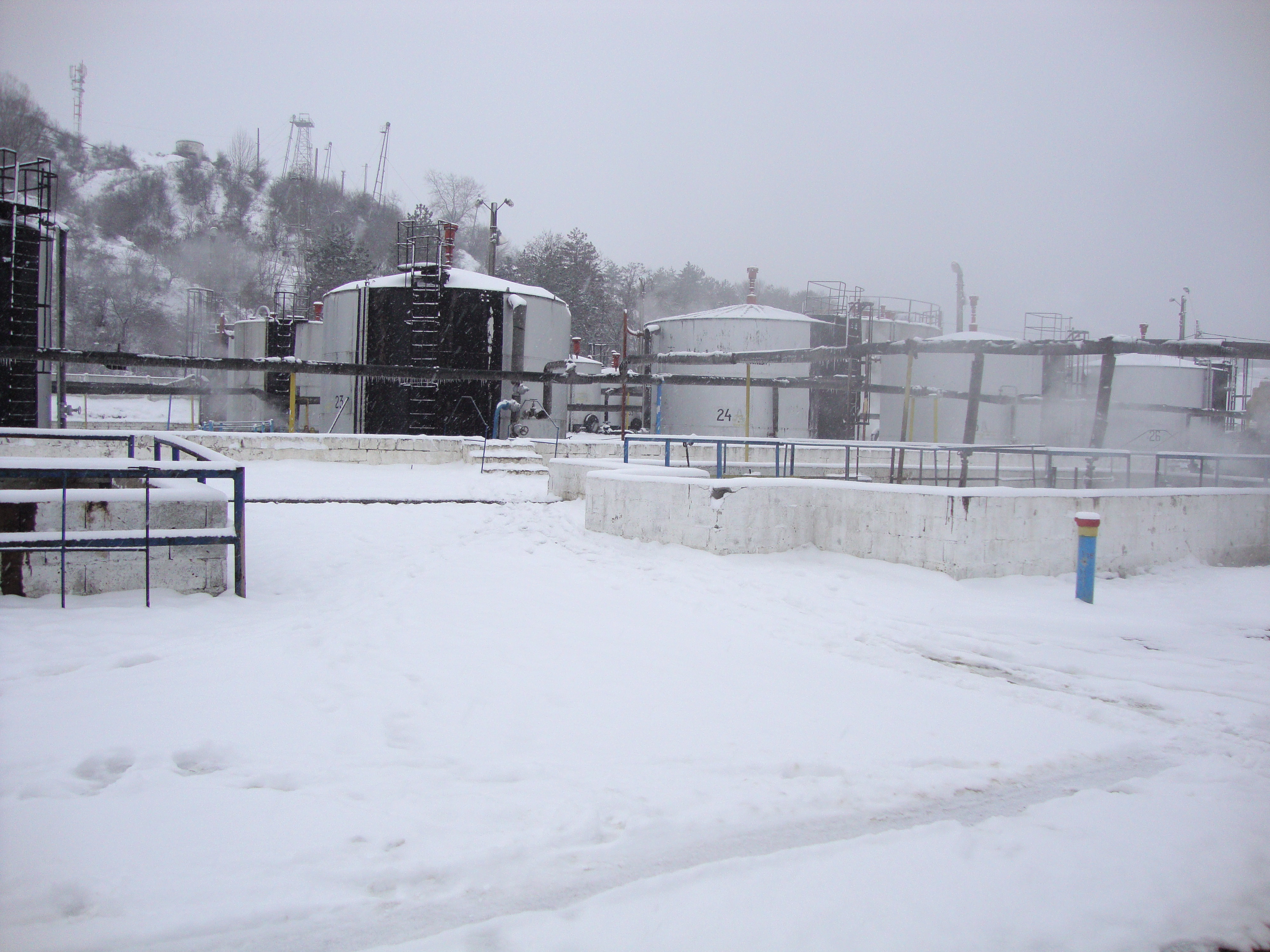
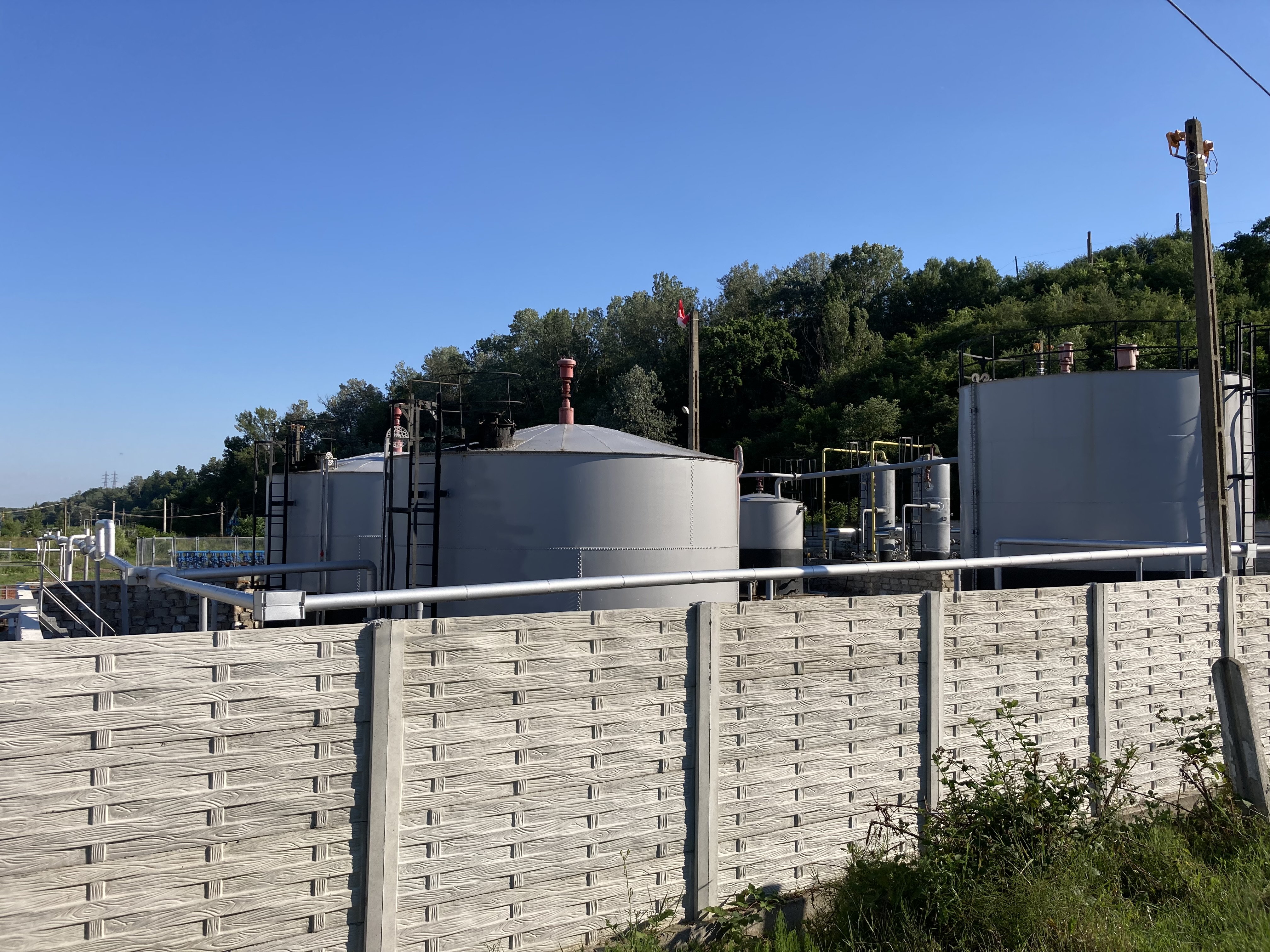
Moreni - Astra Romana - Then and now - 100 years later

Then

2 Astra Romana in 1923
Moreni, 1924, Park 2 Astra Romana
2 Astra Romana in 1935
 Behind Park 2 AR are some old oil tanks of Regatului Roman
Park 2 AR and the Cricov oil wells 
1935 Foto Rudolf - Park 2 Astra Romana
On the right side is the oil well no.18 P RA Moreni Sud spud in 1927 at 1330 meters

And now, 100 years later...

March 6, 2008
June 21, 2009
March 9, 2010
April 15, 2010
January 25, 2011
On the right side is the oil well no.1273 MP Moreni Sud spud in 1989 at 625 meters
January 25, 2011
February 1, 2011
March 3, 2014
Park 2 AR and oil well No. 21 AR Moreni Sud spud in 1913 at 575 meters
July 9, 2023
After modernization
July 9, 2023
After modernization

Fratii Andreescu si stingerea sondei 60 UN Viforata

Adevărul, 43, nr. 14173, 8 Martie 1930

Pregatiri pentru stingerere nouei sonde in flacari

Cum s’a produs nenorocirea din Gura Ocnitei

MORENI 7.- In legatura cu marea nenorocire de la Gura Ocnitei dam acum urmatoarele amanunte :

Pe cand se pompa titeiu in bateria cazanelor, o pompa s’a spart si titeiul a inceput sa se scurga cu iuteala in pamant facand o dara larga pana la garla ce trece in vale.

CUM S’A PROPAGAT FOCUL

Titeiul scurs s‘a aprins si flacarile s’au propagate cu iuteala prin dara de petrol scurs, incendiind totul in calea lor. Dealungul garlei se aflau trei sonde ale societatii ‘‘Unirea‘‘ cari s’au aprins si au fost mistuite de flacari. A patra sonda, situata sus pe deal, la distanta de un kilometru, s’a aprins si ea,

Aceasta sonda care apartine tot societatii ‘’Unirea’’, fiind in productie, focul nu s’a stins dela sine si continua sa arda si astazi.

LA BATERIA CAZANELOR

Flacarile s’au intins cu aceiasi iuteala si spre bateria cazanelor unde se pompa titeiul. Lucratorii au reusit insa sa se salveze la timp. Interesant este ca toata constructia halei de cazane a ars dar cuptoarele au ramas intacte si si-au reluat a doua zi activitatea.

PREGATIRI PENTRU STINGEREA SONDEI ERUPTIVE No. 60

Sonda No. 60 de pe deal continua sa arda. Fratii Andeescu s’au oferit si de data asta sa o stinga si oferta lor a fost primita. Preparativele pentru montarea aparatului au inceput. Toata ziua autocare grele cara sus pe deal pe drumul stramb si nepavat cantitati enorme de lemnarie, fier, etc.

De oarece sonda arde cu ventulul intredeschis este probabil ca incercarea fratiilor Andreescu va fi incoronata de success.

RAVAGIILE FOCULUI

Flacarile n’au mistuit numai sondele ci si toti copacii si ierburile intalnite in cale. Pe unde a trecut incendiul, campul este ars.


Incercari de stingerea sondei 60 UN Viforata


Dimineata, Vineri 14 Martie 1930

INCENDIUL DELA GURA OCNIŢEI VA FI STINS

Sonda dela Gura Ocniţei incendiată săptămâna trecută va fi probabil stinsă astăzi. Fraţii Andreescu au reuşit să-şi monteze aparatul şi închizând ventilele de siguranţă au stins sonda în cursul nopţii de două ori. Dar neavând încă legaturile făcute cu aparatul care captează gazele si îndrumează ţiţeiul spre rezervoare, au fost nevoiţi să dea drumul sondei din nou să ardă. Acum se lucrează cu febrilitate la facerea legăturilor cu aparatul. Dupa aceia, focul va fi stins definitiv.

Dimineata, Sambata 15 Martie 1930

FOCUL DELA GURA-OCNITEI VA FI STINS

MORENI, 12. — In ziarul nostru de eri, am comunicat încercarea plină de succes a fraţilor Andreescu, care au reuşit să stingă de 2 ori focul sondei No. 60 a soc. „Unirea" din schela Gura-Ocniţei. Norocul, care de data aceasta a fost de partea lor, le va înlesni şi pentru viitor să-şi experimenteze cu mai multă încredere şi siguranţă aparatul care le-a stabilit la loc de frunte meritul, printre inventatorii români. Sonda No. 60 a soc. „Unirea“ are două coloane de foc: una care spintecă văzduhul, iar alta care se prelinge paralel cu pământul pe o lungime de vre’o 60 m. Coloana de foc care se ridică drept în sus, este aceea care consumă numai tiţeiul pur, ce erupe pe „Tubing“ ; coloana paralelă cu pământul arde numai gaze pure, provenite din erupţia ce vine printre coloana de 8 ţoli şi „Tubing“.

ŞANSELE DE STINGERE

La coloana sondei se află la partea superioară un ventil de siguranţă, iar la baza lui alte două ventile, unul mai sus şi unul mai jos. Din aceste ventile, cel de sus are numai garniturile arse, iar din cele de jos, unul este bun, iar al doilea este defectat. Se va căuta a se înlocui garnitura arsă, iar cel de jos se va căuta să fie înlocuit. Când aceste operaţii vor fi reuşit, numai rămânea altceva de făcut decât să se procedeze la închiderea lor, operaţie care de altfel s 'a mai făcut şi a reuşit. Societatea „Unirea“ afară de pagubele ce-a avut de înregistrat la începutul incendiului, mai are de înregistrat şi alte pagube, care vor continua, până la stingerea focului. Astfel în primul rând societatea va avea de suportat pagubele ce-i provin zilnic din pierderea a circa 20 vagoane ţiteiu ce-l produceau sondele care au fost distruse de incendiu . Adăogând la acestea partea cuvenită statului, care se ridică la 10 la sută, braţele de muncă puse la dispoziţia fraţilor Andreescu, materialele , etc., pagubele sunt considerabile . Societatea „Unirea“ are toate sondele din schelele sale asigurate unei mari societăţi engleze. Sondele distruse erau asigurate pentru câteva milioane. Asigurarea, ne-a declarat un funcţionar al societăţii, se face la sfârşitul fiecărei luni, în raport cu cantitatea de producţie a sondei respective, după care se stabileşte valoarea asigurării.

ÎNCERCĂRILE DE STINGERE

Mulţime de curioşi, aflând din ziarul „Dimineaţa“ că in serile acestea se va încerca stingerea definitivă a sondei, au voit să ia parte la operaţie aşteptând până seara târziu . Din parte a societăţii, d. ing . Ellias şi ing. Boaden urmăresc de aproape mersul lucrărilor. Mulţime de curioşi, în deosebi din Dâmboviţa şi Târgovişte, vin să vadă spectacolul. Lumina focului dela Gura-Ocniţei şi dela Moreni, formează o pânză albă, care se proectează, până departe’n zare.

D. M. CRĂCIUN


Dimineata, Duminica 16 Martie 1930

FOCUL DELA GURA OCNIŢEI

Focul dela Gura Ocniţei va fi stins mâine dimineaţă. In cursul zilei de astăzi au fost făcute legăturile aparatului cu rezervoarele şi cu pompele de captare a producţiei. In noaptea aceasta vor fi aduse şi instalate pompe speciale pentru a se stropi cu şpullung şi barită în jurul sondei, imediat după ce focul va fi stins, pentru a se evita o nouă aprindere . Mâine dimineaţă, între orele 8 şi 10, în prezenţa reprezentantului regiunii miniere şi a inginerilor societăţii, fraţii Andreescu vor proceda la stingerea sondei.


Adevărul, 43, nr. 14181, 16 Martie 1930

Stingerea sondei dela Gura-Ocnitei

Am anuntat ca eri urma sa se faca stingerea sondei dela Gura-Ocnitei. Un moment s’a crezut ca lucrarile vor fi periclitate de oarece pe cand echipele lucrau la ultimile pregatiri, s‘au pomenit de odata cu un violent bombardament de pamant ars si de piatra, astfel ca tori lucratorii au fost nevoiti sa se retraga.

Catre ziua, coloana de foc care tasnea in sus, a fost stinsa, ramanand numai coloana paralela cu pamantul. Fratii Andreescu au inceput la ora 8 dimineata sa pompeze barit si spullung, in coloana sondei, cu niste pompe speciale.

Fratii Andreescu aveau contract sa stinga incendiul in zece zile, dar l’au stins cu doua zile mai devreme. Valoarea lucrarilor facute si onorariul fratiilor Andreescu se urca la suma de 600.000 lei.

Fratii Andreescu reusesc pentru a patra oara sa stinga incendii cu aparatul lor. In urma acestui success, ei se vor prezenta din nou la Moreni sa stinga sonda No. 160.

STINGEREA

Pe la ora 10 si jumatate au inceput sa inchida ventilul si pe masura ce se facea aceasta operatiune, coloana de foc se micsora, pana cand a disparut complect.

In entuziasmul general, unul din fratii Andreescu au infipt doua steaguri in coloana aparatului, unul romanesc si altul englezesc.

Dupa zece minute, ventilul a fost din nou deschis, lasand sa erupa numai titei curat.

Fratii Andreescu in actiune

Curentul, Duminica 16 Martie 1930

Sonda dela Gura Ocniţei a fost stinsă

MORENI 14. — După cum am anunţat din vreme, astăzi dimineaţa la ora 10 jum. fraţii Andreescu, în prezenţa directorului general al soc. „Unirea“ şi a câtorva inspectori technici au procedat la stingerea sondei No. 60 dela Gura Ocniţei, care se ştie arde de peste o săptămână. S’a închis mai întâi ventilul aparatului şi ramificaţiile laterale ale sondei. Focul odată înăbuşit a atras după sine şi stingerea, dovedindu-se astfel eficacitatea operaţiei fraţilor Andreescu. Imediat după stingere, reprezentanţii soc. „Unirea” au felicitat pe fraţii Andreescu pentru isbânda repurtată, rămânând să li se înmâneze suma de 600.000 lei ce represintă costul acestor operaţiuni. Ca o glorificare a acestui succes s’au arborat de-asupra sondei două stindarde, unul românesc şl altul englez.

Fratii Andreescu si cele trei incercari de stingere a sondei 160 RA Moreni Sud

Adeverul, Luni 10 Iunie 1929

Lucrarile pentru stingerea focului de la Moreni

MORENI 10. -  După cum am scris, lucrările pentru stingerea sondei 160 Româno - Americană continuă cu intensitate de maestrul Alex. Munteanu. Cu toate greutăţile ce-a întâmpinat până în prezent s’au săpat 36 m. lungime din tunel. Straturile trecute până acum au fost de humă, nisip şi nisip pietros. Puţine gaze şi păcură ce vin printre straturi nu sunt de natura a împiedica lucrările. Se sapă aproximativ 4-5 metri in 24 ore. Dacă ar fi aparate pentru săpat, lucrul ar merge mai uşor: deocamdată se lucrează numai cu lopeti şi târnăcoape. Directorul soc. ‘’Romano-Americane’’d. Dely si d. Berentey au inspectat mersul lucrărilor. După ultimele calcule lungimea tunelului cu curbele ce va face va fi de 89 m. Sonda continuă să ardă cu aceiaşi intensitate, pentru localnici sgomotul şi focul a devenit ceva obişnuit; dar pentru străinii curioşi mai prezintă interes. In privinţa păduricii situată lângă sondă, nu există nici un pericol de incendiere.

OFERTA FRAŢILOR ANDREESCU

Fraţii Andreescu, cunoscuţi de anul trecut când printr’un aparat special au stins sonda No. 298 a soc. „Astra Română“ care ardea la fel cu 160 a soc. „Română-Americană“ au făcut şi ei o ofertă pentru stingerea sondei. Ei s’au prezentat direcţiei societăţii „Româno-Americană“ Teleajen cu o ofertă pentru stingerea sondei, cerând 2.200.000 lei. La stingerea sondei şi-au asociat şi pe fraţii Nicolae si Ion Coman din Moreni.

IN CONSTA PROCEDEUL LOR

Fraţii Andreescu au inventat un aparat de stingerea sondelor în erupţie incendiate, care a fost brevetat de ministerul industriilor. Aparatul constă din: un tub vertical cu o derivaţie laterală pentru captarea gazelor, eventual a ţiţeiului, care printr’un dispozitiv special se aşează la gura sondei; tubul are o apăsare verticală contra fortei presiunii gazelor, de circa 60.000 kgr. Odată tubul montat, partea verticală va fi deschisă, iar derivaţia laterală închisă: atunci focul se va ridica în sus, deasupra gurii tubului, cu 5-6 m. şi va permite apropierea lucrătorilor pentru fixarea definitivă a aparatului pe gura putului. Derivaţia laterala vă fi legata la o conducta care după dorinţa societăţii va capta gazele pentru desbenzinare sau le va da drumul în afara zonei periculoase. In momentul când toate lucrările acestea pregătitoare vor fi gata, se va deschide derivaţia laterală şi se va închide ventilul vertical: erupţia de gaze sau de ţiţei se va îndruma în lături, iar focul din cauza lipsei de oxigen, se va stinge. Presiuni puternice de ape se vor face apoi asupra locului şi fiarelor fierbinţi, pentru a evita o nouă aprindere. Această este, după declaraţiile fraţilor Andreescu, procedeul pe care-l vor pune în aplicare pentru stingerea sondei.

CAT TIMP AR DURA LUCRĂRILE

In timp de 5 zile dela încheerea angajamentului în atelierele soc. „Româno-Americană“ Teleajen se vor construi aparatele şi accesoriile necesare sub conducerea fraţilor Andreescu. După aducerea lor la locul incendiului în termen de alte 5 zile, fraţii Andreescu şi-au luat angajamentul că vor stinge focul. Rămâne acum de văzut care dintre' aceste 2 procedee, al tunelului care se continuă sau al fratilor Andreescu & Coman va stinge sonda.

D. M. CRĂCIUN

160 Romano-Americana

Dimineata, Miercuri 3 lulie I929

Operaţiunile pentru stingerea sondei dela Moreni

Se lucrează la perforarea sondei prin tunel

MORENI, 1. — Deşi a trecut o lună dela isbucnirea incendiului la sonda 160 a soc. Româno-Americană, aceasta continuă să ardă cu aceeaş intensitate. Stratul meotic la care este dusă această sondă s’a dovedit a fi unul dintre cele mai bogate în deosebi în gaze. Au mai fost incendii la Moreni, dar nici unul nu l’a Întrecut pe acesta. Societatea „Româno-Americană’’ având în vedere pagubele incalculabile ce are zilnic de pe urma acestui incendiu, a adoptat după cum am scris înainte, două metode pentru stingere şi anume: tunelul s’a terminat în foarte bune condiţiuni inainte de 20 Iunie, şi actualmente este pregătit pentru a se incerca stingerea sondei prin perforarea coloanei sonde pe sub pământ, fiind ştiut că prin această perforare aproximativ 3 părţi din puterea focului vor fi luate. Pentru rest, societatea urmează să-l stingă prin înăbuşire cu saci de nisip. In acest scop în apropierea sondei au fost aduşi vre-o 2000 saci cu nisip, iar pe malul de deasupra văii Frasinului se află pregătite bataluri şi rezervoare cu instalaţii de pompe care in momentul prielnic să exercite asupra sondei o puternică presiune a unui lichid care are proprietatea ca prin spuma ce face să înăbuşe focul. In felul acesta s’ar putea stinge focul rămas, iar procedeul acesta se va aplica numai în cazul când în nici un chip n’ar reuşi cu aparatul Andreescu. Aparatul fraţilor Andreescu a fost asvârlit In aer.

PROCEDEUL ANDREESCU

L’am făcut cunoscut mai inainte, iar acum vom descrie modul de montare şi pregătirile făcute. Pentru că coloana sondei se rupea mereu din cauza presiunii gazelor ce erupe sonda, fraţii Andreescu şi Coman au legat-o la gură cu perechi de şaniere care să servească in acelaş timp şi ca punct de sprijin al aparatului. Deasupra acestora s’a fixat altă şanieră, prelungită cu o sanie pe care să alunece aparatul pe coloana de 14 ţoii, iar la un capăt fiind legat un cablu de sârmă de 28 mm grosime şi care poate rezista la 50-60 mii kg. Cu acest cablu de sârmă s’a legat aparatul ca să fie tras în jos asupra coloanei.

LA PRIMA ÎNCERCARE, APARATUL ESTE ASVÂRLIT

După ce s’au făcut toate pregătiile de mal sus, Duminecă dimineaţa, fraţii Andreescu au făcut prima încercare de fixare a aparatului. Toate operaţiunile au mers bine, aparatul fiind dus pe gura coloanei, după care urma să-l fixeze; însă aceasta a fost de scurtă durată căci la un moment dat aparatul este asvârlit In sus de presiunea puternică a gazelor. Controlând cauzele acestei neaşteptate întâmplări, au constatat că una dintre roţile dinţate ale granicului care face tracţiunea verticală pe coloană s'a rupt şi odată cu ea s’a slăbit şi cablul care trăgea aparatul in jos. Aparatul ne mai având stabilitate a fost aruncat de pe gura puţului. Celelalte 2 granice care ţineau echilibrul n’au suferit nimic. Urmează acum să se aducă alt granic care să-l înlocuiască pe cel defectat şi operaţia va începe din nou. D. Istrate Andreescu, după cele ce a observat la prima aşezare a aparatului, crede că a doua incercare va reuşi. încercând cu o ţeavă introdusă în coloana de gaze, fraţii Andreescu au captat într’o găleată benzină, ceeace dovedeşte abondenţa benzinei in acceastă erupţie. Cu cât sonda erupe mai puternic cu atât temperatura este mai scăzută şi mai prielnică pentru a lucra lângă coloană.

CONSTRUCŢIA APARATULUI

Aparatul fraţilor Andreescu este făcut din oţel presat şi fer. Greutatea lui este de 2000 kgr. In părţile laterale are un tub deschis care se va uni cu conducta pentru captare a gazelor, după ce focul va fi stins. Operaţiile în ultimele zile au fost supraveghiate de d. director al soc, „Româno-Americană”. In cursul zilei de astăzi se va înlocui granicul stricat şi aparatul va fi din nou ridicat cu macaraua pentru a-l aduce in poziţie verticală. Termenul de lucru al d-lul Andreescu este prelungit fără nici o obligaţie sau piedică din partea societăţii. Puterea de erupţie a sondei variază dela o zi la alta. Din când în când şi mai ales noaptea când este linişte şi erupţia e mare, se aud sgomote înăbuşite, şi la mare distanţă trebuie să vorbeşti mai tare pentru a fi auzit. Pentru localnicii cari au mai văzut multe incendii de acestea, a devenit ceva obicinuit; pentru străinii curioşi prezintă însă interes. Nu există nici o teamă din nici un punct de vedere.

D. M. CRĂCIUN


Dimineata, Luni 8 iulie 1929

Lucrările pentru stingerea Sondei dela Moreni 

In cursul zilei de Joi fraţii Andreescu au incercat pentru a doua oară să aşeze la gura sondei din Moreni aparatul pentru stingerea incendiului. Dar şi de data aceasta una din ancorele laterale s’a topit de căldură şl aparatul, nemaiavând stabilitate, a fost aruncat la distantă. S’au făcut reparaţiile necesare, înlocuindu-se piesele defectate şi astăzi se va încerca din nou montarea. In ultimele zile, sonda a erupt mai puternic aruncând şl ţiţei aprins. La vreo 400 de metri depărtare de sondă a răzbit altă sondă a societăţii Astra Română, erupând mari cantitătl de ţiţei.


Dimineata, Miercuri 10 iulie 1929

Sonda din Moreni arde mereu

MORENI, 8. — Am ţinut în curent pe cititorii ziarului nostru cu mersul lucrărilor pentru stingerea sondei 160 a soc. ‘’Româno-Americană“ care continuă de mai bine de o lună de zile să ardă. Toate încercările pentru stingere făcute până acum n’au dus la nici un rezultat. La a treia încercare de aşezare a aparatului Andreescu, care se spera că va reuşi, acesta a fost din nou aruncat de violenţa erupţiei gazelor. In cursul nopţii de Sâmbătă fraţii Andreescu au procedat din nou la aşezarea aparatului, care şl de data aceasta a fost dus până pe gura coloanei, reuşind să determine ca erupţia să se facă chiar prin aparat .Erupţia extrem de violentă a inceput sa salte aparatul pe gura sondei, pana cand slabindu-se si una din ancorele laterale, aparatul a fost din nou aruncat de presiunea prea puternică a erupţiei. In momentul când aparatul a fost săltat de erupţie flăcările au eşit pe sub aparat şi au ars pe mâini şi pe faţă pe trei dintre lucrători ce erau împrejur. Dezolaţi că pentru a treia oară operaţia nu le-a reuşit, fraţii Andreescu au trebuit să se retragă de lângă gura puţului. Se pare că aceasta ar fi ultima încercare a fraţilor Andreescu, de a stinge singuri incendiul. Se spune că societatea ar fi pe punctul de a începe perforarea coloanei prin tunel, iar la urmă, când focul va fi redus, ar urma să vină şi fraţii Andreescu, în ajutor cu aparatul.

D. M. CRĂCIUN

Incendiul vazut din zona Bana, Moreni.
Incendiul sondei la data de 24 Iulie 1929
Foto Rudolf

Dimineata, Miercuri 24 iulie 1929

Sonda dela Moreni continua sa arda

Nouile incercari pentru stingerea focului

MORENI, 22. In urma rezultatului nefavorabil pe care l’a dat perforarea coloanei sondei 160 „Româo-Americană, precum şl a nereuşitei fraţilor Andreescu & Coman, de a fixa aparatul lor la gura puţului, societatea a luat hotărarea de a construi un nou tunel. In acest scop maestrului miner Alex. Munteanu, care a lucrat primul tunel, i s’a încredinţat lucrarea unui nou tunel. De data aceasta tunelul va avea o lungime de 110 m. şi se va săpa cu o înclinaţie de 18 grade, pentru a ajunge coloana sub 40 m. dela suprafaţă.

CONSTRUIREA NOULUI TUNEL

Noul tunel s’a început tot din valea Frasinului cu vre-o 30 m. la stânga vechiului tunel. Mărimea tunelului este: lumina interioară 1.75 X 1.20 X 1.80 m., căptuşit cu lemn de stejar pentru a putea rezista greutăţii. Lucrările au început in ziua de 20 Iulie şi se crede că în vre-o 20- 25 zile tunelul sa fie terminat. După aceia, din nou societatea va proceda la instalarea maşinilor necesare perforării: până atunci se va capta, prin vechiul tunel, atât cât se va putea, din ceeace se indrumează din erupţie pe conducte; până acum s’a reuşit a se capta cam două vagoane benzină curată în 24 ore.

CARE ESTE SITUAŢIA LA SONDĂ

Din cauza erupţiei violente care continuă, gura coloanei sondei s’a rupt şi se lasă mereu tot mai jos. in ultimele zile, printre coloane şi printre spărturi, focul s’a împrăştiat ceeace îngreuiază mersul lucrărilor de consolidare. Aparatul fraţilor Andreescu. construit pentru coloana de 14 ţoii este adus pe teren şi se va încerca din nou aşezarea lui, după ce mai întâiu se va controla dacă coloana rămasă mai prezintă siguranţa de a rezista, fiind subţiată de foc.

UN NOU APARAT AL D-LUI CIUCIANU

In atelierele soc. „Româno-Americană“ Moreni se află construit un nou aparat, invenţie a d-lui Ciuceanu, şeful atelierelor societăţii, şi care va fi întrebuinţat se spune după fraţii Andreescu, în caz de nereuşită. D. Ciuceanu are mai multe brevete asupra mai multor aparate, între care şi burghiul care s’a aplicat pentru întâia oară la sonda No. 1 a soc. Româno-Americana la Pleaşa dând rezultate favorabile, iar a doua oară a fost aplicat acum Ia sonda No. 160. Se crede că aparatul prin modul cum este construit, are mai multe şanse de reuşită; rămâne acum a se vedea rezultatul. In orice caz săptămâna aceasta vom vedea dacă se va stinge incendiul cu ajutorul celor două aparate sus amintite, sau dacă nu va trebui să mai aşteptăm încă 20 de zile până ce noul tunel şe va termina şi se va Încerca a doua perforare a coloanei. Până atunci însă focul va continua să ardă  fiind obiectul de curiozitate al vizitatorilor din toate părţile ţării.

D. M. CRĂCIUN