Showing posts with label tuicani. Show all posts

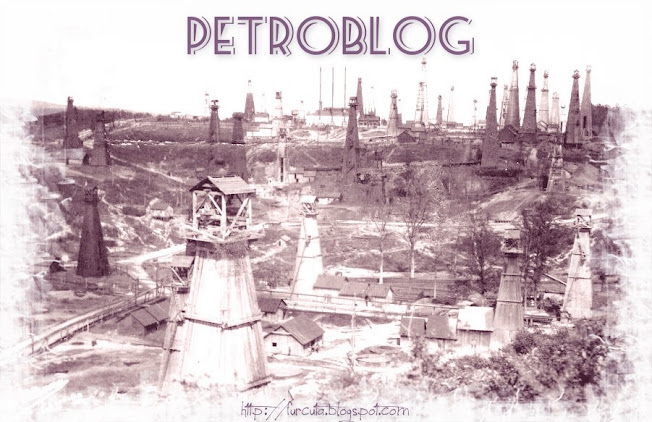
Oil wells with wooden derricks on Tuicani Plateau

Oil wells with wooden derricks on Tuicani Plateau.
Moreni, interwar.
Tuicani, Moreni - colorized photo from the 40s

Oil wells on Tuicani Plateau in the 40s.

STEFAN OLTEANU (1882-1954) ROMANIAN PHOTOGRAPHER OF INTERWAR OIL FIELD SCENES

Jeff Spencer 

675 Piney Creek Road 

Bellville, TX 77418 

spencerj320@gmail.com 


Marius Furcuta 

Moreni, Romania 

furcuta@hotmail.com 

ABSTRACT: Often referred to as the Golden Age of Romania’s oil industry, the interwar years (1919-1939) were a time of both rapidly increasing oil production and of international investment in the country’s petroleum industry. During these years, many photographers produced real photo postcards of scenes from Romanian oil fields, especially those near the towns of Moreni, Bustenari, and Campina in south-central Romania. Several of these photographers included their name on the postcards. Researching these visual documenters of an important period of Romania’s petroleum history is challenging. The noted Swiss geologist Arnold Heim (1882-1965) is included in a group of lesser-known photographers with names, such as Rudolf, Lehmann, Wehrli, and Carpenter. One of the more prolific oil field photographers was Stefan Olteanu. 

Stefan Olteanu (1882-1954) lived in Campina, Romania where he, and later his son, operated a photographic studio, circa 1907 into the 1940s. Early Olteanu real photo postcards are identified by “Foto Ideal” printed on the reverse. Later Olteanu postcards include on the picture side the words “Foto-Olteanu Campina” and later “St. Olteanu Campina.” Olteanu photographed the nearby oil fields and refineries and produced high-quality real photo postcards. Scenes included several oil field fires, including the No. 1 Sospiro Campina Draganeasa well (1923), the first major Romanian oil field disaster in the interwar years. Other Olteanu oil field fire views are the No. 305 Gura-Ocnitei (1926), No. 298 AR Moreni Pascov (1928), and the infamous “Torch of Moreni,” Romano-Americana Company’s No. 160 well (1929-1931). Many Olteanu postcards depict general panoramic views of oil fields, such as those along the Prahova River Valley near Campina, the Pascov Valley and Tuicani Plateau near Moreni, and the Runcu-Buștenari Oil Field

INTRODUCTION 

  The southern foothills of the Carpathian Mountains in south-central Romania are the historic center of the country’s petroleum industry (Fig. 1). The Prahova River flows between the Bucegi and the Baiului Mountains, within the Carpathian Mountains. Figure 2 is a portion of a 1925 oil field map (Guide du Congres et des Excursions 1925, map 5) of this area. In the southeast corner of the map is the city of Ploiesti, the county seat of Prahova County, located approximately 60 km (37 miles) northwest of the capital city of Bucharest. The Ploiesti area became one of the world’s leading centers for oil refining in the mid-19th century and the gateway to the prolific oil fields northwest in the Prahova River Valley. Key Prahova County towns and cities on the map, and approximate distances from Ploiesti, are Baicoi (20 km [12 miles] northwest), Tintea (20 km [12 miles] northwest), Campina (37 km [23 miles] northwest), and Bustenari (37 km [23 miles] northnorthwest). Moreni (35 km [22 miles] west) is in Dambovita County along the Cricov River. 

  Many early photographers, both residents and visitors to south-central Romania, helped to document the petroleum industry of the country. Some of these local professional photographers produced real photo postcards (RPPCs) of oil field scenes, oil industry housing, oil company facilities, and oil refineries. RPPCs of oil field fires were exceptionally popular, including several well fires in the Prahova Valley and the Tuicani Plateau. 


Romania in World War I 

  Romanian oil fields and refineries were desirable to the European armies. In the early years of the war, Romania stayed neutral. In August 1916 Romania signed a treaty with France, England, and Russia and declared war on the Austro-Hungarian Empire ten days later (Stoenescu 2018). To prevent the use of oil by the invading German army, in November 1916 the Romania government consented to the destruction of the Romanian petroleum refineries, production facilities, and oil wells in the Prahova Valley. The following month, British engineers under the command of Colonel Jack Norton-Griffiths, and with the help of Romanian soldiers and oil company employees, destroyed several refineries and over 800,000 tons (6 million barrels) of oil in just a few days. More than 1600 oil wells were taken out of production; at least a quarter of those were destroyed. “For probably the first time in the history of the oil industry an effort was made to wipe out completely the producing, transporting, refining, and storage facilities of a large and progressive oil country, so that the enemy could not profit by acquiring it” (Petroleum 1919, p. 184). The German army arrived just days later. By early 1917 the German army controlled much of the Romanian oil industry and had repaired much of the damage, but for the entire 1917-year, oil production was substantially less than the oil destroyed in those few days in December 1916. 

Romanian Oil Production in the Interwar Years 

  During the interwar years (1919-1939), Romania was an important exporter of grains, oil, and timber. It took several years for Romanian oil production to reach pre-war production levels. Oil production levels in the early 1920s were flat, with a steady rise beginning in 1925 through the mid-1930s. Prewar oil production rates were again reached in 1927 (Stoenescu 2018). Unfortunately, during the years of 1923-1926 when international oil prices were high, Romanian oil production was relatively low. By the time that Romanian oil production had fully recovered and significantly increased (1931-1936), international oil prices were low (Stoenescu 2018, p. 90). 

INTERWAR OIL FIELD PHOTOGRAPHERS 

Swiss Geologists – Heim and Wehrli 

  Two well-known Swiss geologists visited Romania during the interwar years and returned to Switzerland with many photographs of the Romanian oil fields. Arnold Heim (1882- 1965), son of the prominent Swiss geologist Albert Heim (1849-1937), visited Romania in the summer of 1926. Along with F. Escher, the two photographed several Romanian oilfields, near Tintea, Moreni, Bustenari, Ochiuri, and Campina. Many of their photographs are archived at the ETH Library, Zurich, Switzerland (http://library.ethz.ch/en/). 

  Leo Wehrli (1870-1954) was a Swiss geologist, teacher, and explorer. He was a student of, and later an assistant to, Albert Heim. He authored Albert’s biography in 1938. Leo visited Romania in the summers of 1935 and 1936 and photographed in the oilfields near Baicoi, Moreni, Ploiesti, and Campina. Many of his photographs and photographic glasslides are also archived at the ETH Library, Zurich, Switzerland (http://library.ethz.ch/en/). 

American Journalist and Photographer – Frank G. Carpenter 

  Noted American journalist, photographer, world traveler, and author Frank G. Carpenter (1855-1924) visited Romania in 1923. During his travels Carpenter also photographed in the Romanian oil fields. Many of his photographs are available online from the United States Library of Congress under the Carpenter Collection (https://www.loc.gov/pictures/collection/ffcarp/). In the May 27, 1924 edition of the Toledo Blade (p. 4), in an article headlined “Oil fields of Rumania. Queer Features of Oil Production,” Carpenter recounted his travels through the oil fields of Romania. 

Other Interwar Oil Field Photographers 

  Little is known of photographer Rudolf Grunblatt of Moreni. Many different oil field postcards bear “Foto Rudolf” or “Foto Rudolf Moreni” on the photograph side. There are several known Rudolf RPPCs of the infamous “Torch of Moreni” oil well fire (Spencer and Furcuta 2018; https://furcuta. blogspot.com/search/label/rudolf). His RPPCs appear to be limited to the Moreni area from approximately 1929-1935. H. Lehmann produced a night view RPPC of the “Torch of Moreni” that is dated “24. VII.1929” (July 24, 1929) (https://furcuta.blogspot.com/2015/10/160-ra-photographers.html?m=0). 

STEFAN OLTEANU (1882-1954) 

  Stefan Olteanu (1882-1954) opened his first photographic studio at No. 87 Carol 1 Street in the city of Campina in 1907. That year a Campina newspaper carried an advertisement for the “Modern photo studio Foto Olteanu” with its “new workshop” and “photographs of all kinds and sizes, industrial works, oil and pastel paintings, photographs on porcelain” (https://oglindadeazi.ro/stiri/campina-o-istorie-in-date-3/). A 1913 advertisement (Vitorul, p. 3) read, “Photo Ideal St. Olteanu. Modern photography studio BP Hajdeu Street, No. 17 Field. Artistically executes portraits, groups, views, reproductions, etc. Splendid postcards are made for three lei a dozen” (https://oglindadeazi.ro/stiri/campina-o-istorie-in-date-3/). 

  As with many photographic studios, Olteanu’s business relied heavily on wedding and portrait photography. Several examples of these are found online. During 1916-1918, the occupying Germans required Romanians to obtain a photo identification card. Olteanu obtained a “monopoly” on this lucrative photographic work for the residents of the Prahova Valley. Some gossip suggested that this was due to a local German commander being enamored by Olteanu’s beautiful wife (https://oglindadeazi.ro/stiri/file-de-cronica-nostalgiile-unui-vechi_23/). 

  In 1923, Olteanu had a large house built at No. 79 Carol 1 Boulevard with a photographic studio on the first floor and living accommodations on the upper floors (https://campinatv. ro/News/Article/aa8fcce5-47cb-484d-a5fa-4d9e70851d2c_ campina-romania-100-foto-olteanu-din-perioada-interbelica-un-atelier-de-tapiterie-din-anii-70-santierul-de-la-soldat-de-azi; https://furcuta.blogspot.com/search/label/olteanu). In the late 1930s, Stefan’s son, Gogu (?-2001), came into the business and operated the studio into the 1940s. Unfortunately, much of the Olteanu archival photographs were destroyed. Gogu stated in an interview, “Mr. Iosifescu, the Securitate took my entire archive, sir. I do not know where it is! They took it, threw it in a well, set it on fire” (http://revistanoua.3x. ro/revista_noua/puterea/Cuartetul-din-Campina.htm). The Securitate was the Communist secret police. 

  One of Olteanu’s oil field photographs was published in the German industry trade magazine, Petroleum Zeitschrift (1925). The photograph of a burning well near Moreni is the Pleasa Hill fire of the No. 1 RA (Romano-Americana) Moreni Nord well, accidentally ignited while drilling on July 25, 1925 (https://furcuta.blogspot.com/2021/03/well-1-ra-pleasa-onfire.html). At the time, this was the deepest well at Moreni (1146 meters [3760 feet]). Romano-Americana SA (Romanian-American Company), formed in 1904, was a subsidiary of the Standard Oil Company of New Jersey. Several attempts were made to extinguish this fire; success occurring on September 13 with the completion of a 70-meter-long (230 feet) tunnel to the casing which was then perforated to divert the oil flow. 

  The following year, another Olteanu burning well photograph was published in the French illustrated weekly newspaper, L’Illustration (July 3, 1926). This photograph is similar to Olteanu postcards (Fig. 3) of the Schela Mare Concordia well No. 305, CC SII Gura Ocnitei fire. Around midnight, June 15, 1926, while testing from a depth of 989 meters (3245 feet), the well was ignited by a lightning strike. Several unsuccessful attempts were made to extinguish the well fire. One attempt involved digging a 60-meter (197 feet) tunnel to reach the casing at a depth of 30 meters (98 feet). During a week of digging, the flames reached heights of 30-40 meters (98-131 feet). The flames also set off a fire in a nearby open pit, burning approximately 1000 tons (7200 barrels) of oil. The fire also destroyed the nearby No. 308 well. On the morning of June 22, the oil flow and the fire suddenly stopped. When the oil flow resumed, the oil was gathered and pumped to a nearby oil tank farm (https://furcuta.blogspot.com/search/label/concordia). Swiss geologist Albert Heim also photographed the No. 305 well fire.

OLTEANU REAL PHOTO POSTCARDS (RPPCS) 

  Real photo postcards (RPPCs) were very popular in the early twentieth century, and many Olteanu photographs were used to produce these postcards. Olteanu postcards of Campina buildings, bridges, and scenic views are known, but the vast majority of Olteanu RPPCs are of the surrounding oil fields. Over sixty different petroleum-related Olteanu postcards are known of by the authors; 27 of them are in co-author Spencer’s collection. Early Olteanu RPPCs (circa 1921-1923) have “Foto Ideal” with “St.” and either “IT” or possibly “LT” (difficult to read). “Olteanu Campina” is sometimes printed on the reverse. Later in 1923, the studio’s name was changed to “Foto-Olteanu,” and this is printed on the front lower right or left of the RPPCs until circa 1926. Occasionally, the “Foto-Olteanu” is printed on the reverse. Later in 1926 this is replaced by “St. Olteanu Campina” on the photograph side. Olteanu oil field postcards reached many countries. Within the Spencer collection are Olteanu postcards that were sent throughout Europe (Holland, Austria, Romania, England, France, Germany, and Italy), as well as to the United States. 

  A notable exception appears to be two Olteanu RPPCs of the August 1908 No. 13 SR (Steaua Romana) Campina Draganeasa oil well fire. Both postcards have the “Foto Olteanu Campina” on the lower right of the photograph side (https:// furcuta.blogspot.com/2024/06/the-fire-of-oil-well-no-13-sr-campina.html). If these are indeed scenes from 1908, they would be the earliest Olteanu oil field views, and a significant gap exists in known Olteanu oil field views between 1908 and 1923. 

1923 Olteanu Oil Field RPPCs 

  Most postcards do not provide the dates that the photographs were taken, but postmarks, when present, place a “no later than” date to the images. One of the earliest Olteanu oil field postcards in Spencer’s collection, taken from near the city center of Moreni, is a view of oil tanks and workshops of the Regatul Roman Oil Company (Fig. 4). Anglo-Dutch Shell established Astra in 1908 and acquired Regatul Roman, and in 1909/1910 created Astra Romana SA (Stanciu 2000, p. 32). An earlier Astra Romana was a small oil refinery in Ploiesti established in 1880 and through acquisitions, had become part of Astra. From 1911-1947 the refinery was within the Royal Dutch Shell Trust. The oil tanks in the photograph were scrapped in the 1930s, and living quarters were built in their place in the 1960s. The long building in the center of the photograph is still there as well as some of the smaller workshops. On the reverse is stamped, “Foto Ideal” and either an “IT” or a “LT” (difficult read) “Olteanu.” The photograph is not dated, but it is postmarked January 31, 1923, and was mailed to Oakland, California, United States. There are several Olteanu RPPCs of the Astra Romana operations near Moreni that include the company’s headquarters, workshops, and worker housing. A cardboard matted 1928 Olteanu photograph (26 x 22 cm [10 x 8.5 inches]) of a group of employees of Astra Romana was advertised for sale on the Romanian Okazii site (https:// www.okazii.ro/fotografie-veche-pe-carton-astra-romana-atelier-foto-olteanu-campina-1928-a201662118). 

  Another Olteanu RPPC from 1923 shows the Draganeasa oil well fire across the Prahova River from Campina (Fig. 5). The Forajul No. 1 Sospiro Campina Draganeasa well was drilled within the large Campina-Draganeasa Oil Field which has produced oil since 1896. During production testing, a spark ignited the well on February 19, 1923. Two drillers were killed in the fire, and several other workers were burned. This was the first major Romanian oil field disaster in the interwar years (https://furcuta.blogspot.com/search/label/draganeasa). The postcard was postmarked on August 18, 1923, in Campina and mailed to France.

1928 Olteanu Oil Field RPPCs 

  Two notable oil field fires were captured in Olteanu RPPCs. The Pascov Valley fire broke out on the morning of May 12, 1928, while the No. 298 AR (Astra Romana) Moreni Sud well was drilling at a depth of 1445 meters (4741 feet). One man was killed in the fire and two others injured. Eighteen oil wells and the No. 5 Creditul oil pumping station were destroyed in the fire. The fire was extinguished over a month later on June 26, 1928 (https://furcuta.blogspot.com/search/ label/pascov and https://furcuta.blogspot.com/2021/04/au-chat-noir-tunnel.html). Figure 6 is one of several Olteanu RPPCs of the fire. On the reverse is a handwritten note dated May 24, 1928, and postmarked the following day.


Torch of Moreni” (1929-1931) – No. 160 Romano-Americana 

  The Focul Dela Moreni (“Fire from Moreni”), also known as the “Torch of Moreni,” was the No. 160 Romano-Americana (RA) oil well fire (Fig. 7). On May 28, 1929, after drilling to a depth of 1453 meter (4767 feet), the No. 160 blew out and caught fire. The derrick was destroyed, and the 100 meter-high (328 feet) flames could be seen from the city of Ploiesti over 50 kilometers (32 miles) away. Several attempts to extinguish the well were unsuccessful, and the well burned for over two years. More than 100 workers were injured and 14 died in the process of trying to extinguish the fire. By the spring of 1931, the “Torch of Moreni” had created a crater 76 meters (249 feet) wide and 20 meters (66 feet) deep. This, together with erosion by rains and snow, created a deep hollow in the ground. Some gas was diverted through the soft ground and escaped along the walls of the crater. Ignited by the main fire, numerous ground fires were formed. The No. 160 RA well fire was photographed by Olteanu, Rudolf Grunblatt, H. Lehmann, and Leo Wehrli (https://furcuta.blogspot.com/search/label/wehrli%20leo). The extensive operations to extinguish the well fire are documented in Spencer and Furcuta 2018. 

OTHER OLTEANU OIL FIELD RPPCS 


The Runcu-Bustenari area is one of the earliest areas of oil extraction in Romania. The first modern well was spud in the area in 1890, and before that, oil was extracted from hand-dug wells. Cumulative oil production from approximately 1909 to present is 23.3 million tons (170 million barrels). Figure 8 is one of a few Olteanu RPPCs of this oil field. This postcard is postmarked December 12, 1928. It is one of the known Olteanu RPPCs that was later printed and sold as colorized “linen” postcards. Beginning in the 1930s, a process of printing paper color postcards with a high rag content gave the postcards a look of having been printed on linen. Steaua Romana Oil Refinery Steaua Romana (“The Romanian Star”), founded in 1895, quickly became a dominant company in the Romanian petroleum industry. The company was established with Romanian and Austrian funding. In 1897 the company built an oil refinery near Campina, Romania, which at the time was the largest and most modern refinery in Europe (Figure 9). In 1903, the German Deutsche Bank acquired the Austro-Hungarian interests. By 1915, Steaua Romana was the second largest producer of oil in Romania. The Germans confiscated the refinery in 1916 and reopened it in 1917. After WWI, the company became majority-owned by Romanians with minor French and English interests. Additional Olteanu RPPCs include views of oil wells along the Prahova River, the Bucea Oil Field near Campina, the Campina electrical power plant, and several views of the Moreni oil fields in the Pascov Valley and on the Tuicani Plateau.


CONCLUSION 

  The visual documentation of the early 1900s petroleum history throughout the world has benefited from local and visiting photographers. During the interwar years in Romania, these photographers included Swiss geologists Arnold Heim and Leo Wehrli, and American journalist and photographer Frank G. Carpenter. Romanian photographers, such as Rudolf Grunblatt and Stefan Olteanu, recognized the growing popularity of real photo postcards (RPPCs) and produced views of the petroleum industry. Stefan Olteanu of Campina, Romania was arguably the foremost photographer of the early oil fields of south-central Romania. Olteanu’s RPPCs captured scenes of early wooden oil derricks, infamous oil field fires, and oil company facilities and refineries. Many Olteanu postcards were mailed to family and friends around the world, sharing the images of Romania’s early petroleum industry. 

ACKNOWLEDGEMENTS 

  Much of this material was presented on May 21st at the 2024 Oil History Symposium in Calgary, Alberta, Canada. The petroleum history of Romania is vast and fascinating. Much of it, especially the visual aspects of this industry, are documented in co-author Furcuta’s blog, Petroblog (https://furcuta.blogspot.com/). Thanks to James McDonald, Matthew Silverman, and Mary Barrett for reviewing this paper.

REFERENCES 

GUIDE DU CONGRES ET DES EXCURSIONS, 1925: 1st Congres International de Forages, Bucharest, September, 61 pp

L’ILLUSTRATION, 1926: July 3, p. 24. 

PETROLEUM, 1919: v. 7, p. 184-185. 

PETROLEUM ZEITSCHRIFT, 1925: September 20, v. 21, no. 27, p. 1720. 

SPENCER, Jeff and FURCUTA, Marius, 2018, Myron Kinley and the “Torch of Moreni,” in: CRAIG, J., GERALI, F., MacAULAY, F., and SORKHABI, R., eds., History of the European Oil and Gas Industry: London, The Geological Society, Special Publications 465, p. 375-80. 

STANCIU, Laura, 2000, Free-standing companies in the oil sector in Romania and Poland before 1948: typologies and competencies: Business History, v. 42, no. 4, p. 27-66. 

STOENESCU, Camil-George, 2018, Romania during the Interwar Period: an economic approach: The Romanian Economic Journal, Special 20th Anniversary Issue, Year XXI, no. 70, p. 80-93. 

TOLEDO (Ohio) BLADE, 1924: May 27, p. 4. 

VITORUL, 1913: no. 5, p. 3. 

Websites & Blogs 

https://campinatv.ro/News/Article/aa8fcce5-47cb-484d-a5fa-4d9e70851d2c_campina-romania-100-foto-olteanu-din- perioada-interbelica-un-atelier-de-tapiterie-din-anii-70-santierul-de-la-soldat-de-azi/, accessed June 13, 2024 

https://furcuta.blogspot.com/2015/10/160-ra-photographers. html?m=0

https://furcuta.blogspot.com/2021/03/well-1-ra-pleasa-on-fire.html 

https://furcuta.blogspot.com/2021/04/au-chat-noir-tunnel. html

https://furcuta.blogspot.com/2024/06/the-fire-of-oil-well-no-13-sr-campina.html

https://furcuta.blogspot.com/search/label/concordia

https://furcuta.blogspot.com/search/label/draganeasa

https://furcuta.blogspot.com/search/label/pascov https://furcuta.blogspot.com/search/label/rudolf

https://furcuta.blogspot.com/search/label/wehrli%20leo http://library.ethz.ch/en/

https://oglindadeazi.ro/stiri/campina-o-istorie-in-date-3/, accessed June 13, 2024

https://oglindadeazi.ro/stiri/file-de-cronica-nostalgiile-unui-vechi_23/, accessed June 13, 2024

http://revistanoua.3x.ro/revista_noua/puterea/Cuartetul-din-Campina.htm (November 30, 2002, interview), accessed June 13, 2024 https://www.loc.gov/pictures/collection/ffcarp/

https://www.okazii.ro/fotografie-veche-pe-carton-astra-romana-atelier-foto-olteanu-campina-1928-a201662118, accessed June 13, 2024 

ABOUT THE AUTHORS
Jeff Spencer is a charter member, past president, and current vice-president of the Petroleum History Institute (PHI). Jeff is a geoscientist and principal with Sentinel Energy, LLC, Houston, Texas. He received a BS in Geology from the University of Cincinnati and a MS in Earth Sciences from the University of New Orleans. He was previously employed as Chief Geologic Advisor with Amromco Energy, working Romania (2013-2017). He has authored or co-authored more than 50 oil field history papers. Jeff co-authored Ohio Oil and Gas (2008) and authored Texas Oil and Gas (2013) and Illinois Oil and Gas (2023). He collects postcards, philatelic material, and other ephemera with oilfield themes.

Marius Furcuta was born in Moreni, Romania and resides there today. He attended the Oil and Gas Ploiești University and since 1998 has worked as a petroleum engineer in Dâmbovița and Prahova counties, in Muntenia, a historical area of southern Romania where the country’s petroleum industry began. Marius is the author of Petroblog (https://furcuta.blogspot.com/), a comprehensiv.e. collection of photographs, ephemera, and text documenting Romania’s petroleum history.

A glimpse in time

In this 1929 photo taken in Moreni, some badass oilmen can be seen smoking in the oilfield.

Escher F. photo - Oil well No. 17 AR - from the Arnold Heim trip to Romania in 1926

ETH-Bibliothek Zürich Bildarchiv  
Oil well No. 17 AR Moreni Sud
Fotograf Escher F.
Moreni, 08.1926
The location : 
44.978000, 25.632639


Oil well No. 17 AR Moreni Sud was spud by Astra Romana company on the Tuicani Plateau in the year 1915. The depth of the well was 320 meters. On the Eischer photo the name of the oil well is written on a metal plate mounted halfway up one leg of the derrick ( the metal plate is faceing the other side ). There are three well behind and the left one was in drilling at that time - oil well No. 258 AR . At the drilling derricks all sides were closed with planks. Pleasa and Cristianu hills can be seen in the distance.

Escher F. photo - Moreni panoramic view - from the Arnold Heim trip to Romania in 1926

ETH-Bibliothek Zürich Bildarchiv  
Photo Moreni panoramic view 
Fotograf Escher F.
08.1926

Arnold Heim photos - Moreni

ETH-Bibliothek Zürich Bildarchiv 
Fotograf Heim Arnold 
Moreni West North, 18.06.1926
ETH-Bibliothek Zürich Bildarchiv
Fotograf Heim Arnold 
Moreni Sud, 05.06.1926
ETH-Bibliothek Zürich Bildarchiv 
Fotograf Heim Arnold 
Moreni North, 19.06.1926
ETH-Bibliothek Zürich Bildarchiv 
Fotograf Heim Arnold 
Moreni North, 15.07.1926
ETH-Bibliothek Zürich Bildarchiv
 Fotograf Heim Arnold 
Moreni Nord, 18.06.1926
ETH-Bibliothek Zürich Bildarchiv 
Fotograf Heim Arnold 
Moreni, 21.05.1926
ETH-Bibliothek Zürich Bildarchiv 
Fotograf Heim Arnold 
Moreni, 19.06.1926
ETH-Bibliothek Zürich Bildarchiv 
Fotograf Heim Arnold 
Moreni, 17.06.1926
ETH-Bibliothek Zürich Bildarchiv 
Fotograf Heim Arnold 
Moreni Bana Nord, 21.05.1926
ETH-Bibliothek Zürich Bildarchiv
Fotograf Heim Arnold 
Moreni, 04.08.1926 

Then and nowdays

Moreni Astra Romana workshops and Tuicani oil wells in the 30s and nowdays

Prima relatare despre eruptia sondei 160 Romano-Americana

Cuvantul, Joi 30 Mai 1929

Groaznica explozie de gaze dela Moreni

Numeroase sonde şi clădiri distruse de incendiu. Primele măsuri de localizare. Sunt pagube enorme

Am relatat pe scurt în numărul de eri al ziarului nostru, groaznica explozie de gaze de la Moreni, care a distrus 11 sonde de petrol, numeroase rezervoare, clădiri, birouri, instalaţiuni de pompe, etc.

Astăzi revenim eu amănunte asupra acestui groaznic incendiu cum nu s’a mai pomenit în această regiune

CUM S’A PRODUS EXPLOZIA

Explozia gazelor cauzată prin incendierea gazelor a produs o detunatură care a zguduit din temelii imobilele din regiune.

Incă în momentul când au început să iasă primele gaze din puţ, şi când au văzut că nu reuşesc să pună capul de pompă Ia gura puţului, muncitorii cari lucrau în sonda No. 160 şi-au dat seama că explozia este inevitabilă şi au fugit de pericol.

Odată gazele dela sonda No. 160 aprinse, flăcările alimentate de un vânt puternic s’au întins mereu la sondele din împrejurimi.

Şi astfel rând pe rând au fost cu prinse de foc sondele No. 161 2 S., 72 şi 63 ale societăţei «Româno-Americană».

Apoi sondele 6, 36, 23, 304 şi 307 ale soc. «Astra-Română».

Staţia de pompe de ţiţeiu a soc. «Astra-Română», alte patru rezervoare mici şi o cazarmă, în care se adăposteau muncitorii în timpul repaosului, toate aflate între sondele cari ardeau, — an căzut pradă flăcărilor.

De asemeni birourile soc. «Buna-Speranţă» cu tot ce se afla înăuntru, au ars până în temelii.

PRIMELE MASURI DE LOCALIZARE

La ora 1, patru ore dela izbucnire, incendiul s'a mai potolit, gratie ajutorului dat de echipele de lucrători cari cu pământ şi nisip astupau sondele incendiate şi cu seci de furtuni cu apă stropeau sondele din apropierea acestora pentru a le apara de dogoarea flăcărilor.

Singură sonda No. 160, aceea dela care a izbucnit incendiul, continuă să erupă gaze care o dată aprinse formează o coloană de foc care atinge o înălţime de 70— 80 metri.

Violenta cu care erup gazele produce un sgomot asurzitor, iar dogoarea flacărei se resimte la câteva sute de metri depărtare.

Cum se aşteaptă din moment în moment ca sonda odată cu gaze să erupă şi bolovani s'au luat măsuri să se aducă dela Ploeşti căşti de fier şi măşti contra gazelor pentru ca lucrătorii care se apropie cu furtunile cu apă de sondă să nu fie expuşi accidentelor cum s’a întâmplat în anii trecuti în asemenea cazuri

Dintre sondele distruse de incendiu se aflau , în producţie următoarele: 23 şi 301 ale « Astrei Româna şi 63 a «României Americana ».

Sonda No. 161 a soc. R. A . era în erupţie. No. 307 a «Astrei Române» era în sapă.

La sondele 6 şi 36 ale «Astrei Româna se scoteau tocmai burlanele.

 Celelalte sonde 2 S- era în lăcărit şi 78 abandonată, ambele ale soc. «Româno Americană».

Din cauza măsurilor luate din vreme victime omeneşti nu s’au înregistrat până acum .

Pagubele provocate de incendiu nu pot fi încă evaluate. Totuşi in mod aproximativ ele se cifrează la câteva zeci de milioane.

-   ooxxxoo    -

Eruptia sondei 160 RA si explozia tunelului de la Pascov

Dimineata, 30 Mai 1930

Cum s’a produs ultima nenorocire de la Moreni

Explicaţiile autorului sistemului de stingere prin tunel

MORENI, 28. — Situaţia se prezintă in acest moment in chipul cel mai ciudat. Se părea la un moment dat că metoda de stingere prin tunel întrebuinţată de către inginerul Lazăr va da bune rezultate.

Astă noapte în timpul lucrărilor s’a părut la un moment dat că incendiul a încetat. Pe la ora 1,40 noaptea focul s’a stins. Se înţelege ce stare de entusiasm a domnit in acest moment în rândurile inginerilor şi lucrătorilor. Decepţia a venit însă imediat. Un simplu accident care prevestea nenorocirea întâmplată la ora 5 dimineaţa.

In momentul de faţă sonda continuă să ardă. Focul s’a deplasat dela suprafaţa sondei la gura tunelului No. 3 din valea Pâscovului. La suprafaţă nu sunt decât mici pâlpâiri care consumă gazele ce se strecoară prin coloană. Toată puterea focului s’a concentrat la gura tunelului pe unde se scurge cea mai mare parte din gaze şi ţiţei. La ora 9 seara se auzea acelaş sgomot puternic care se manifesta în primele luni când a isbucnit focul. La gura tunelului se află în acest moment un morman de fierărie şi ruine, rămăşiţe ale instalaţiilor cari erau azi dimineaţă încă, în plină funcţiune.

METODA A FOST IMPUSĂ ?

Starea de spirit în rândurile inginerilor este foarte rea. Unii nu se sfiesc să afirme că procedarea a fost greşită dela început, dar că nimeni nu a putut să reacţioneze din pricină că această metodă a fost impusă de minister.

In cercurile competente sunt controverse serioase în privinţa felului cum trebuia să se procedeze şi a măsurilor ce trebuesc luate în momentul de faţă. Deşi aceste nemulţumiri s’au manifestat şi se manifestă, totuşi se crede că ministerul va continua să-şi ia asupra sa toată răspunderea, impunând până la sfârşit punctul său de vedere.

Ce spune autorul proectului de stingere

Pentru a înfăţişa o situaţie obiectivă a lucrurilor ne-am adresat la cei competenţi. Am cerut d-lui inginer Vasile Lazăr, autorul proectului de stingere prin tunel, care a fost însărcinat de către minister cu această lucrare, să ne facă o expunere a felului cum au decurs lucrările:

D-sa ne-a spus: Am fost numit preşedintele comisiei care studia modalităţile de stingere a focului dela Moreni in August 1929. S’a proectat atunci săparea celui de al treilea tunel la o diferenţă de nivel faţă de gura sondei de 60 metri. Dela tunel până la sondă urmau să fie 240 de metri în linie dreaptă.

Până la o lungime de 150 metri lucrările au mers normal. S’a observat o scurgere de gaze într’o cantitate mai mică care se puteau evacua cu ventilatoare de mai mică capacitate.

Dela 150 de metri înainte, scurgerile de gaze prin tunel s’au mărit în mod considerabil, datorită faptului că s’a atins un strat de pietriş prin care gazele se scurgeau foarte uşor.

La un moment dat se părea că orice încercare de a se continua săpătura tunelului va fi periculoasă şi aproape imposibilă. S’au procurat apoi trei ventilatoare de un debit foarte mare, adică de peste 2500 metri cubi de aer pe minut.‘‘

Lucrarea a putut fi continuată până la capăt.

Ministerul m’a însărcinat apoi să apuc planul meu. Aceasta s’a întâmplat în Martie. In acest timp, societatea Româno-Americană aplica la suprafaţa tunelului sistemul „potcoavei“. Se reducea astfel orificiul de eşire dela 18 la 14 ţoli. Gazele căpătând o suprapresiune prin deschizătura din tunelul 1, au pătruns in teren infiltrând atât regiunea din jurul sondei 160, cât şi tunelul in aşa măsură încât la un moment dat cantitatea de gaze din tunel era de 50 la sută. Pentru a izola gazele şi a continua lucrările în tunel s’a căptuşit tunelul cu două straturi de scânduri.

Intre ele s’a pus hârtie gudronată. In felul acesta gazele se scurgeau la spatele căptuşelii, iar în interiorul tunelului atmosfera era aproape normală şi avea un conţinut de gaze de 0,04 la sută. S’a montat aparatul şi s'a făcut probă de etanşeitate la 31 atmosfere în faţa autorităţilor ministeriale. Apoi camera de lucru cu întreg aparatul au fost betonate pentru a împiedeca orice scăpări de gaze şi pentru a evita smulgerea aparatului.

Lucrările de perforare au început Vineri noaptea şi s’au terminat Duminică.

Închiderea sondei s’a făcut Marţi la ora 12. Ea a durat 3 minute. In momentul închiderii s’a început presarea apei în sondă. In prima oră presiunea a scăzut dela 40 de atmosfere la 26.

Apoi după ce s’a pus în funcţiune şi a doua pompă, cu un debit mai mare, presiunea a scăzut până la 16 atmosfere.

ERUPŢIA DE ERI

Marţi la ora 3 s’a remarcat din nou o erupţie violentă, care, în afară de gaze arunca apă şi spulungul pompat prin sonda 160 şi o cantitate considerabilă de nisip şi pietriş. Aceasta a ajuns la depărtări de mai mulţi chilometri.

In toată regiunea Morenilor până la Ochiuri a fost o ploae de nisip.

S’a constatat apoi imediat, că această erupţiune s’a produs prin o sondă învecinată care se afla la o depărtare de 10 metri de sonda 160. Este sonda 82 a soc. „Româno-Americană“, despre care nu am avut nici o cunoştinţă. Sonda era părăsită încă din 1914. Adâncimea sondei era de 670 de metri şi exploatată la stratul aşa numit Draeder.

Este de remarcat că în sonda 160, cu ocazia perforărei coloanelor între coloana 18 şi 14 ţoli s'a găsit un nămol întărit, iar intre 14 şi 10 ţoli o presiune care s’a menţinut constantă şi in coloana interioară de 10 ţoli. Această presiune varia intre 6—8 atmosfere. La sonda 160 coloana de 14 ţoli a fost fixată la o adâncime de 730 de metri, deci abia sub stratul aşa numit Draeder, care în această regiune este complect epuizat.

Apa şi spulungul pompat prin sonda 160 au avut comunicare cu sonda No. 82 prin stratul Draeder. El a făcut apoi erupţie prin această sondă. Sonda 82 deşi la suprafaţă era despărţită cu 10 metri de sonda 160, la nivelul de adâncime era în imediată apropiere. Dacă sonda 82 n’ar fi existat — spune d. ing. Lazăr — sau ar fi fost astupată, spulungul nu avea pe unde să se scurgă. El ar fi pătruns şi mai departe în sonda 160 până la înăbuşirea ei complectă.

PANICA IN POPULAŢIE

Eri la ora 3 şi jumătate presiunea gazelor la fundul sondei 82 era de 18 atmosfere. Aceasta presiune a pus in miscare pietrisul si nisipul producand eruptia prin stratul numit draeder , care este un strat de nisip si pietre. Eruptia a antrenat pietrele si nisipul spre sonda 82. Aceasta eruptie de nisip si pietre, cum am mai spus, a fost foarte puternică şi a ajuns până la o depărtare de 6 — 7 k m, producând panică în mijlocul populaţiei. De atunci s’a pompat încontinuu spulungul.

CONSECINŢELE PLOII DE PIETRE

Ploaia de pietre şi de nisip a stricat coloanele sondei 82 şi astfel s’a produs deasupra nivelului tunelului un dop. Din pricina acestui dop a crescut presiunea sub dânsul şi a spart peretele  tunelului care era la câţiva metri depărtare de sonda 82.

Faptul că şi după producerea exploziei presiunea după o încercare de câteva ore, în care timp s’a pompat apă într’însa, s’a menţinut constant la 18 atmosfere, arată că atât aparatul cât şi burlanele sondei 160 deasupra stratului draeder sunt intacte. Dacă s’ar fi spart aparatul sau câteva dintre burlane nu se mai putea menţine presiunea. Explozia a spart peretele dintre sonda 82 şi tunel iar gazele din cauza dopului s’au putut scurge prin tunel.

ÎNCETAREA LUCRĂRILOR

In momentul de faţă lucrările au încetat. S’a curăţat terenul din faţa tunelului ca să nu se întindă incendiul. Incendiul a fost localizat la gura tunelului. S’a luat toate măsurile pentru izolarea zonei din jurul tunelului, s’au adus. jandarmi, etc., etc.

V’am explicat cum stau lucrurile.

Noi vom face toate încercările a ne face până la capăt datoria. Sunt împrejurări şi factori independenţi de voinţa noastră care ne stau în cale. Desigur nenorocirea care s’a întâmplat azi dimineaţă ne-a impresionat. Asta nu înseamnă să nu continuăm lucrul.

Nu sunt excluse noui primejdii

Ce spune şeful regiunii miniere

D. inginer Gheorghe Furduescu ne-a spus :

„Explozia s’a întâmplat prin viitura de gaze, cari au pătruns în tunel. Aceste gaze au antrenat probabil o piesă metalică care prin cădere a produs scântei. Aerul care se pompa pe ventilatoare a permis producerea exploziei.

In mod obişnuit o explozie e precedată de o deplasare de aer. Această deplasare având o viteză foarte mare, a aruncat din tunel o căptuşeala de scânduri care a fost asvârlită la o distanţă foarte mare de gura tunelului, până la un deal din faţă.

Fenomenul întâmplat înainte de apariţia flăcărilor propriu zise din tunel, a permis inginerilor şi lucrătorilor cari se aflau la pompele de la gura tunelului să fuga. Altfel nenorocirea ar fi fost şi mai mare şi n’ar fi fost exclus să se înregistreze un număr mai mare de morţi. De altfel se observă că cei mai mulţi lucrători au rănile la spate, ceeace arată că au fost loviţi in momentul când se îndepărtau.

In momentul de fata terenul deasupra gurii tunelului s’a daramat si continua sa se darame cu incetul. Evident ca pot surveni noui primejdii. Singura primejdeie pe care o vad in ceasul de fata ar fi daramarea pamantului de la gura tunelului intr’o cantitate foarte mare oprind esirea gazelor. Atunci ar urma o explozie la gura tunelului. Cred ca ea ar fi de mai mica intensitate decat aceia care s’a produs azi dimineata.

Noi am luat toate masurile pentru a evita o noua nenorocire. Circulatia in regiunea incendiata a fost oprita.

Zorile înfricoşetoare la gura tunelului

Am putut obţine noui amănuntei asupra felului în care s’a desfăşurat explozia de astă-noapte Lucrătorii cari se aflau la pompe au trecut prin momente de mare panică. La un moment dat s’a produs o bubuitură foarte puternică. S’a auzit un vuet lăuntric, a urmat apoi un vârtej de scânduri şi de bolovani, cari au fost aruncate afară, cu neînchipuită viteză la depărtări foarte mari.

Imediat după aceia s'a produs aprinderea gazelor. Nu se vedeau decat flacări. Totul era roşu. Nimeni se putea înţelege cu vecinul său.

Lucrătorii au Început să fugă. Se auzeau ţipete şi vaete. Răniţii cereau ajutor, ceilalţi treceau peste trupurile lor căutând fiecare să se salveze. Nu se vedea şi nu se auzea nimic. Gemetele răniţilor şi strigătele lor de ajutor erau înăbusite de  zgomotul produs de incendiu. In acest timp explozia devenea din ce în ce mai pronunţată.

POVESTEA UNUI RĂNIT

Am vizitat Ia spital pe cei câţiva răniţi mai uşor cari au rămas la infirmeria societăţii din Moreni.

Am vorbit cu mecanicul loan Coţion, dela pompe. El ne-a povestit scena cumplită de groază prin care a trecut.

Lucrătorii, oarecum optimişti, lucrau cu foarte multă tragere de inimă. La ora 1.30 focul încetase pentru câteva clipe. Ei credeau că este un simptom care se va repeta de câteva ori până ce locul va ii înăbuşit complect.

Explozia a fost o surpriză neaşteptată. Nici o măsură de prudenţă n’a fost luată.

De altfel, Inginerul Lazăr care conducea lucrările, nu era acolo In timpul exploziei. El lucrase trei zile şi trei nopţi dearândul şi nu mai avea rezistenţa necesara.

Pentru a se vedea starea de spirit e interesant de ştiut că acest conducător al lucrărilor, expediase o telegrama eri dupa masa anuntand ca focul a fost stins. Azi dimineaţă a şi primit felicitări telegrafice.

La un moment dat o bubuitură ne-a uimit, s’a creiat o atmosferă in care ne-am pierdut cu desăvârşire cumpătuL Era ceva la care nu ne aşteptam. Peste câteva clipe n’am vazut decat rosu pretutindeni. Am încercat să fug. In jurul meu era numai fierărie. Am reuşit, împreună cu alţi camarazi, cari se află răniţi mai greu, să ne strecurăm. In urma noastră nu se auzeau decât gemete.

O DESMINŢIRE

Reprezentanţii autorităţilor locale ne roagă să desminţim o ştire apărută in ziarul „Universul" şi în care se spunea că în timpul lucrărilor şi în timpul vizitei d-lui ministru Mirto, nici un organ al ministerelor de interne, industrie şi comerţ şi muncă n’ar fi fost de faţă.

Aceasta nu este adevărat întrucât toate autorităţile locale au stat la dispoziţia regiunii miniere, dând tot concursul în timpul lucrărilor.

H. Sr.

Consfătuirea dela regiunea minieră

Conducătorii societăţii cer să li se dea mână liberă

Eri la ora 5 d. a. a avut Ioc, la regiunea minieră, o consfătuire la care au luat parte d-nii ingineri Pavelescu, inspector dela ministerul de industrie şi comerţ; Krupenschi, directorul regionalei miniere Ploeşti; Furduescu, şeful regiunii miniere Moreni; Lazăr, conducătorul lucrărilor de stingere ; Elbin, directorul societăţii „Creditul Minier“; Krugs şi Andonie dela „Româno-Americana“ ; Chaillet, directorul societăţii „Astra Română"; inspector Drâculmescu» dela „Steaua Română" şi Jaqson dela „Româno-Americană“ şi Heipp, director la „Româno-Americană".

Comisiunea a cercetat cauzele cari au determinat producerea exploziei ; a examinat situaţia şi măsurile ce trebuesc luate. Este de notat că nu toţi membrii au fost de acord. S’au ivit divergenţe de păreri.

La un moment dat conducătorii societăţii „Româno-Americană“ au întrebat pe d. ing. Pavelescu, care prezida comlsiunea, dacă în aceste condiţiuni ministerul înţelege să continue a impune punctul său de vedere şi dacă societatea nu are voe să ia măsurile pe cari le crede ea singură de cuviinţă.

D. inginer Pavelescu, pe propria d-sale răspundere, a autorizat pe conducătorii societăţii „Româno-Americană“ să ia măsuri pentru stingerea focului la suprafaţă, lăsând d-lui inginer Lazăr sarcina de a continua mai departe lucrările începute cu aparatul său.

Comisiunea, după lungi discuţii, cari au durat câteva ceasuri, a hotatărit :

— Se va continua. pomparea noroiului greu amestecat cu ciment în conducta de 4 ţoli din tunel, care este in bună stare. Aceasta prin tunel. La suprafaţă se va pompa noroi în craterul sondelor No. 160 şi 82. Aceasta pentru a se obţine înăbuşirea focului.

Această operaţie se va reîncepe după câteva zile. In acest timp se vor monta pompe şi- conducte speciale.

Starea victimelor duse la Ploeşti

PLOEŞTI, 28. — Imediat ce autorităţile locale au fost anunţate de noua nenorocire întâmplată în zorii zilei la sonda No. 160 a soc. „Româno Americană" din Moreni, au plecat la faţa locului d-nii prim procuror D. Ştefănescu-Priboi, Constastin Vasilescu, chestorul poliţiei şi dr. Pădureanu, medicul soc. Româno-Americana.

Deasemeni au mai plecat d-nii colonel Iulian Marinescu, dela inspectoratul 1 jandarmi însoţit, de d-nii căpitan Eraclie Alexandrescu, comandantul legiunei Prahova şi căpitan Const. Simniceanu.

Din cercetările făcute şi declaraţiile luate s’a stabilit că explozia dela gura tunelului s’a produs la ora 5 şi 10 dim. precis, iar cauzele sunt cele relatate în altă parte a ziarului.

*

Dintre victimele exploziei 3 au fost aduse la spitalul Schuller din localitate. După ce au fost pansate li s’a dat drumul. Alte două victime au fost internate la spitalul „Boldescu" din calea Romană.

Starea lor este gravă.

D. dr. Mircea Bottez, medicul şef al spitalului, a constatat că aceşti doi lucrători au arsuri grave de gradul 2 şi 3. Li s’au dat imediat toate ajutoarele necesare.

V. 

Mai multe informatii la https://furcuta.blogspot.com/2020/11/au-chat-noir.html